



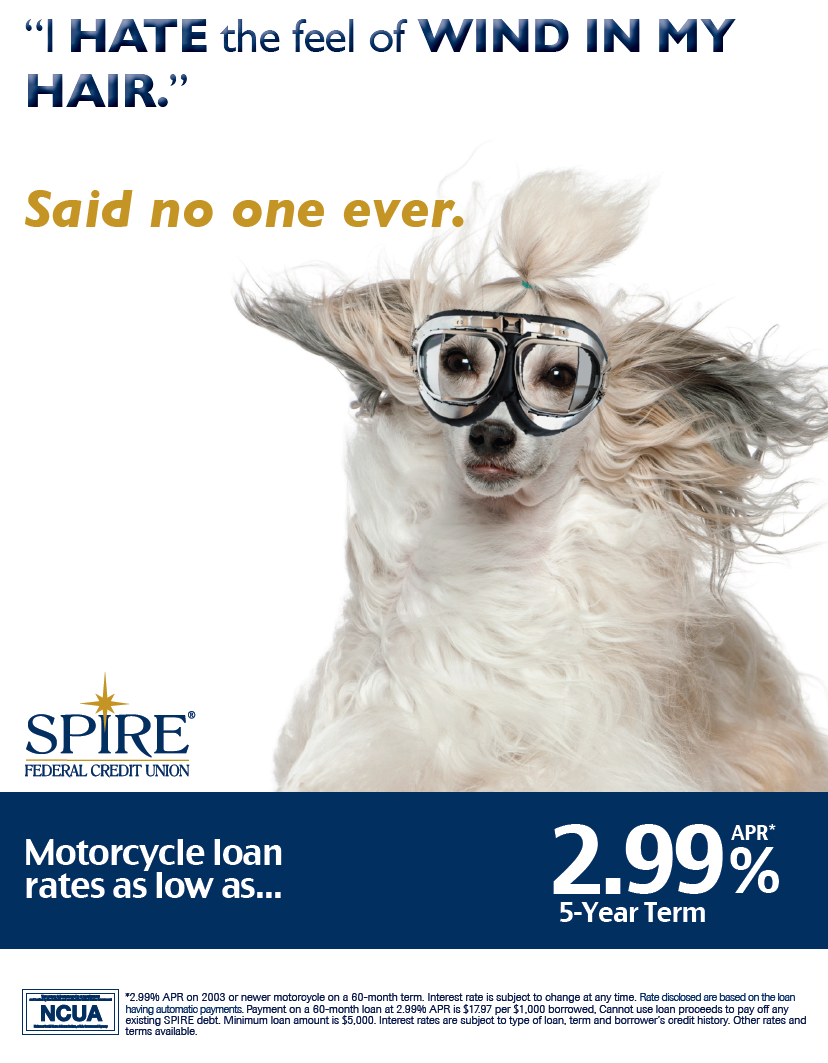
Responsible for concept, copy & design direction.

Sound strategy. Canny creative.
Responsible for concept, copy & design direction.
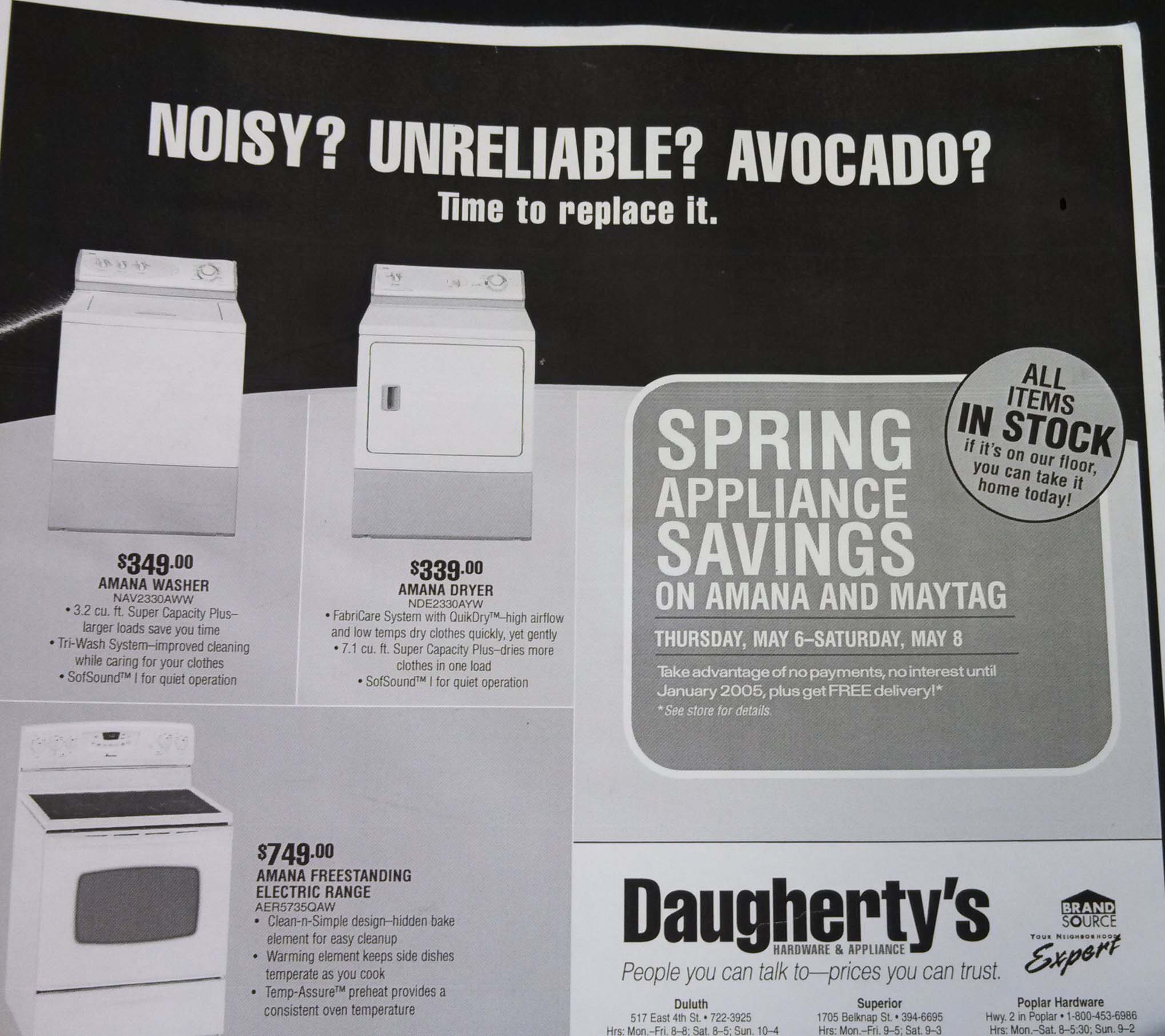
Responsible for concept & copy.
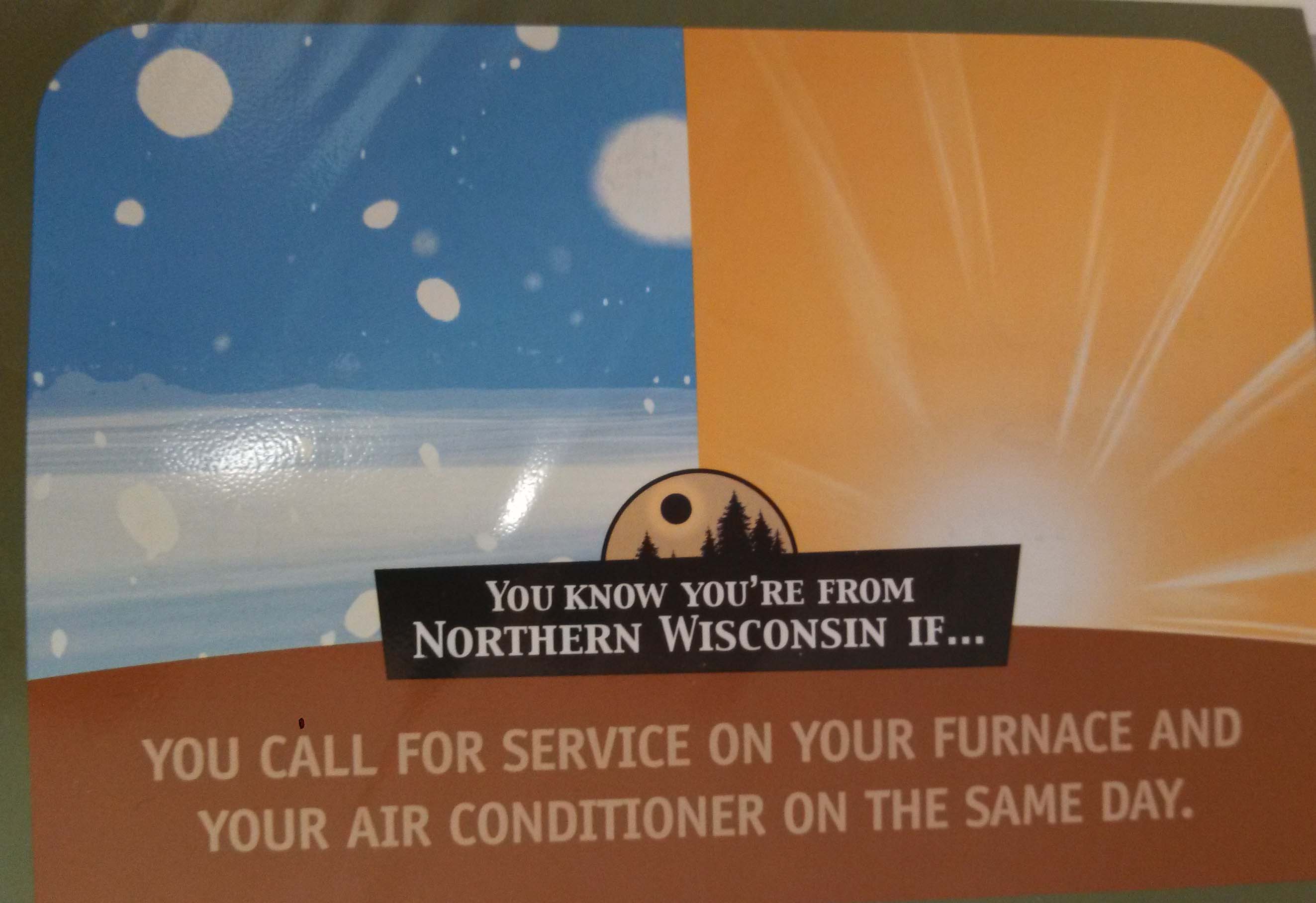
Responsible for concept & copy.

Responsible for concept & copy.
Best of Show winner at Addys.
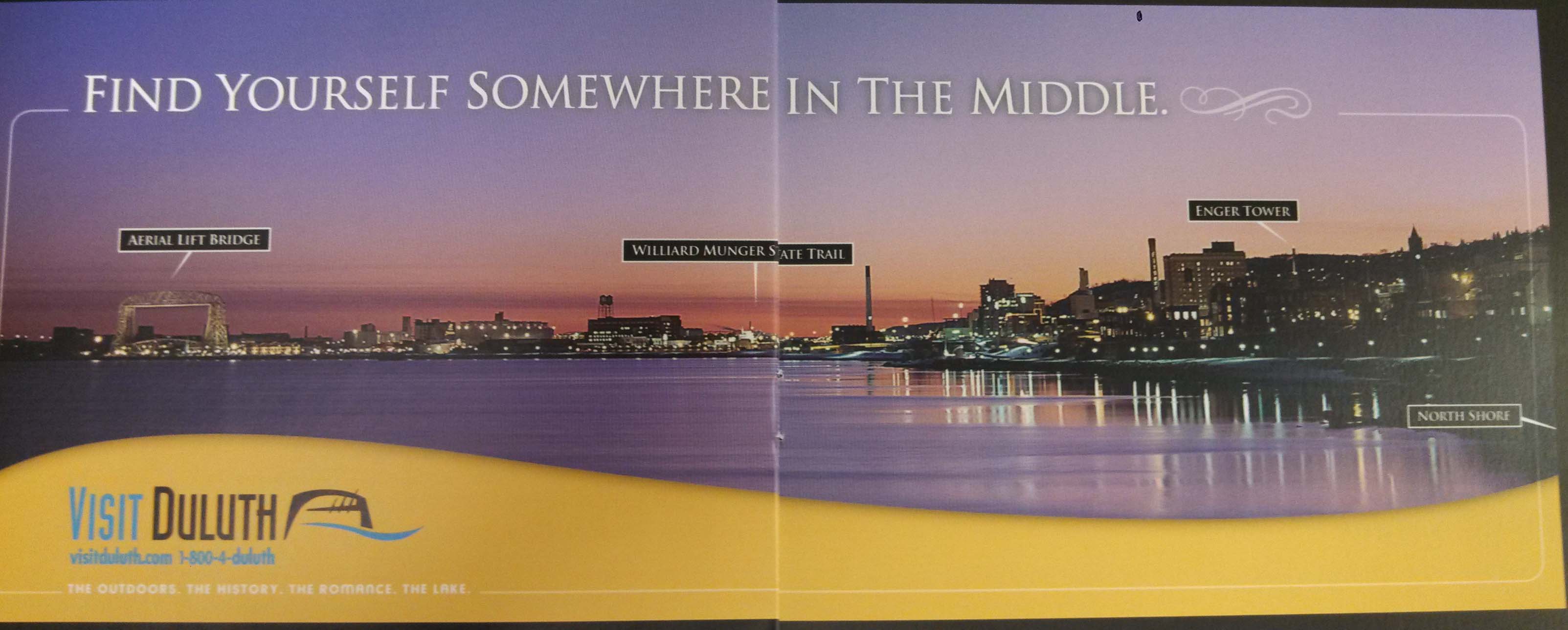
Responsible for concept & copy.
I was flipping through my ancient, actual paper portfolio today, when I stumbled upon two of my favorite-ever campaigns, for one of my favorite-ever clients, promoting one of my favorite-ever places.


Responsible for concept, copy & photo shoot direction.
Responsible for concept and script, as well as voiceover, shoot & edit direction.
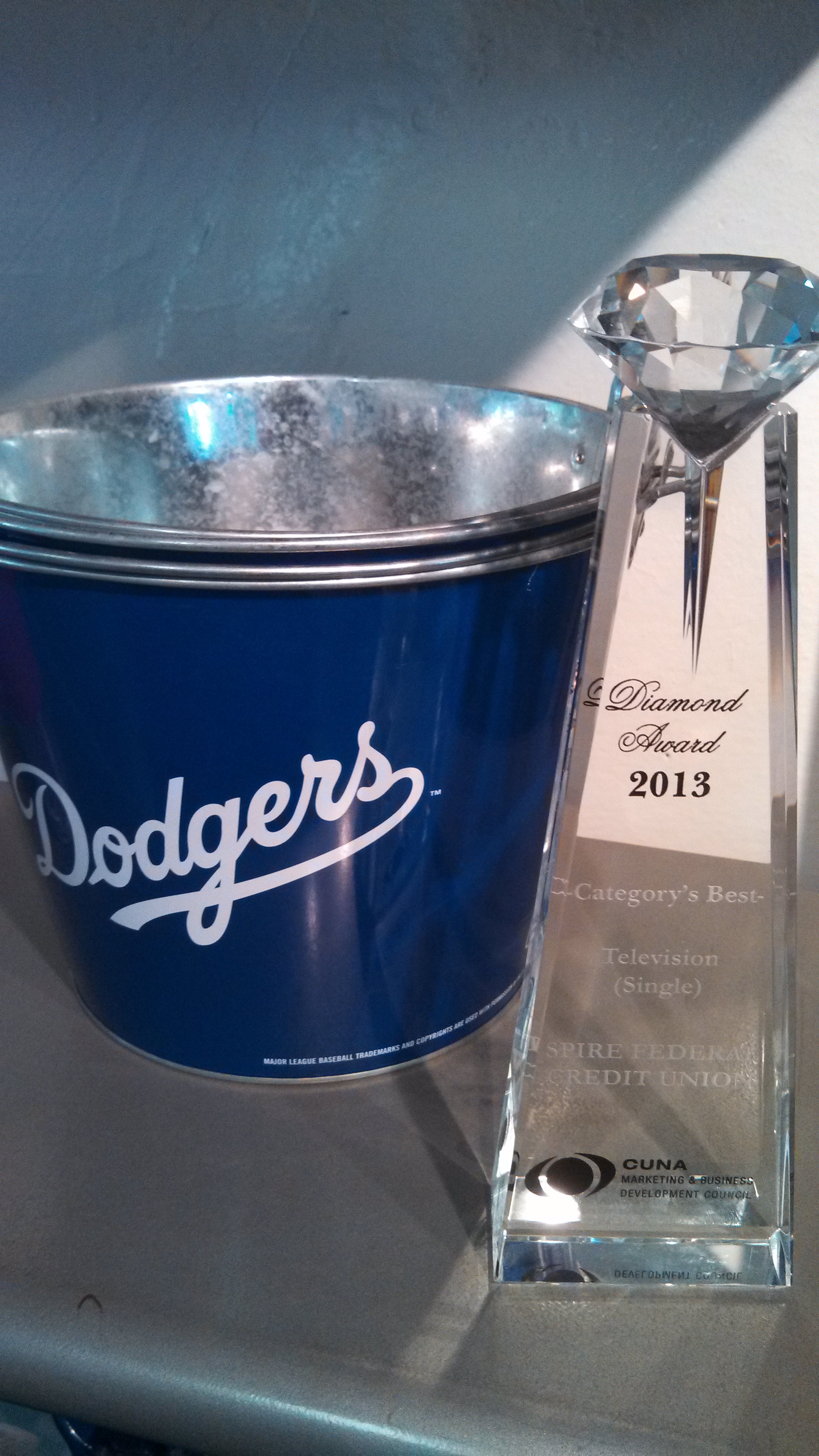
Last week, Casey and I attended the CUNA Marketing & Business Development Conference at the Happiest Place on Earth, Disneyland. We were so proud to bring home a Category’s Best Diamond Award for our branding television. The competition was stiff and we were up against some pretty big budgets.

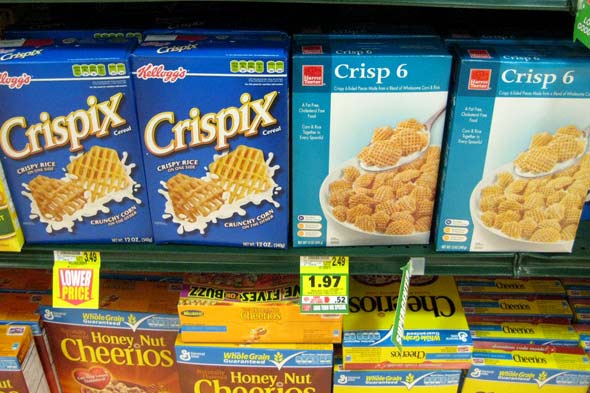 On a recent shopping trip to Target, I peered in to my cart and noticed there were very few true “name brands” represented within. From Archer Farms salsa to Market Pantry oatmeal to Up & Up diapers (the latter of which are a full TEN DOLLARS cheaper than Pampers!), I have pretty well completely converted to the red retail giant’s house brand products.
A quickie survey of friends & colleagues revealed my behavior isn’t an anomaly among my contemporaries. Everyone I talked to uses a number of different store brand products, with few, if any, quality complaints (mac & cheese was one of a few products that caused noisy splits among the sample). Indeed, store brands have come a long way since the glaring black & white-packaged “generics” I vaguely remember from my youth.
If my mini-sample of higher-income professionals is any indication, it seems that the assumption that higher price means higher quality is fading.
The Great Recession brought with it new opportunities for retailers to appeal to consumers who grew increasingly eager to save on everyday purchases. During this time, the quality and the aesthetic appeal of store brands increased about a billionfold. Target’s Archer Farms package designs reflect a high-end product, and Cub’s Essential Everyday line is clean and attractive. More important, though, the products work well and/or taste comparable.
For the most part, consumers have been impressed by the no-name brands, with many of them rating highly in blind taste tests. Consumers have also learned that many “generic” store-brand foods are actually made by the same companies that produce the higher-priced name-brand stuff (just compare the ingredient label, as I did with baby formula last year. Identical.). Often, switching to a store brand is an easy way to save 30% or so, according to my own quickie calculations and the estimates of friends. And, because store-brands can be more profitable than national brands, Big Boxes have been granting them more shelf and ad flier space.
According to a new “Private Label” report from the Integer Group, there are a few key behavioral patterns when it comes to consumers and “generics”:
Women give more consideration to buying store brands. Most shoppers, about 77%, scope out both private-label and name-brand products before making purchases. But women are far more likely to compare — 90% look at both options before choosing.
When the cleanliess of their clothes are involved, people are picky. Beyond mac & cheese, of the eight product categories covered in the study, consumers think brand names are most important when it comes to laundry detergent: 69% prefer name brands.
(In my own study, respondents cited “toilet paper” as something not worth compromising on.)
Coupons and sales do help boost name brands. Of those who stick with name brands, 45% say they do so at least partly because they can find coupons to save money. Long live the Redplum Sunday coupon flier!
A minority of people assume a brand name means top quality. This is the biggest, and for Proctor & Gamble, perhaps the most foreboding news from the study. In 2010, 57% of consumers agreed with the statement “Brand names are not better quality.” More recently, the figure is 64%.
If the alarms aren’t sounding at the HQs of General Mills, P & G, J & J and others, they certainly should be.
Open up any American wallet (or logo-emblazoned purse) and you’ll doubtless find a colorful assortment of plastic cards and keyfobs. Like the invention of money itself, credit cards were first introduced as a tool to facilitate commerce. Since their inception, we have embraced those cards to the point of credit dependency and billions of dollars in debt. Credit cards, with their airline miles and “cash back” promotions, first introduced the consumer to the idea of a “membership”-based purchase rewards, and these days, traditional retailers have duplicated the model to suit their own purposes. Walgreens and CVS , long-standing rivals who all but openly mock each other by building stores on opposite sides of streets, are both using customer loyalty programs to solidify their proverbial bottom lines. These programs offer additional savings to the consumer, but there’s a catch – the retailers can then track every visit and every purchase.
Whenever we hand over our rewards program keychain fob or plastic card, we leave a trail of information behind. When we make a purchase, our cards are scanned, not only giving us “points” toward a gift certificate or a free tote bag, but also offering the merchant a detailed record of our purchase activity. It’s data ripe for the mining. All of this knowledge on behalf of the seller means we’re inundated with sales messages – via e-mail, direct mail, even an occasional old-fashioned phone call. “Junk” or “spam” e-mails alone account for 14.5 billion e-mails per day, or about 45% of all e-correspondence (Online Marketing Trends, 2011).
Is the privacy lost to behavior marketing worth the savings? In this weak economy, consumers don’t appear to be terribly concerned about the tradeoff.
The Drugstore Wars: Walgreens vs. CVS
Few retail battles are as overt as Walgreens vs. CVS . In fact, the two discount drug retailers often square off directly, building new outlets right across the street from each other. In September 2012, Walgreens has launched its own customer loyalty/rewards program, called Balance Rewards, in response to the popularity of CVS’s Extra Bucks program.
The inner workings at Walgreens.
Both Walgreens’ and CVS’s prices trend higher than the Target and Wal-Marts of the world, and most consumers use the drugstores as a means to “fill in” gaps between trips to major retailers, purchasing relatively few items per transaction at Walgreens. However, recently, one shopper, reluctant to face holiday crowds and yawning aisles at one of the mass merchants, spent about $70 at the checkout counter. (Yes, the aforementioned weary shopper was me. Sometimes, I just can’t deal with Target. Plus, there’s a $200 minimum just to get out the door. Seriously.) The clerk at Walgreens cheerily sold me on the benefits of a Balance Rewards membership. Signing up was simple: In my case, as in many others, Walgreens has consumer data saved from photo or pharmacy orders, so shoppers merely need to sign. There are no arduous forms to fill out or drivers’ licenses to scan.
The dollars ticked off … tick tick tick tick. My new total was just over $60. I had saved $8 just like that, and I was also handed a coupon for $10 my next $35 purchase, with the caveat that I made said purchase within the next two days. If all of that weren’t enough, she then proceeded to inform me I had earned 5,000 points by purchasing eligible items, and would get $5 off at my next visit. I left feeling almost giddy, brimming over with that euphoric winning shopping feeling.
(I used my additional $5 reward to purchase three bags of holiday-wrapped Hershey’s kisses for $5. Total. Three for $5. Unbelievable!)
With savings like this, who could blame consumers for gobbling up rewards programs like so many Thanksgiving turkeys?
The case of CVS.
In CVS’s case, here’s how the Extra Bucks program works. After signing up for the program, consumers will get additional coupons with every visit to CVS. Little red machines, scattered around the store, will print out savings when cardholders scan their rewards cards. The machines are linked to specific products, so consumers only print the offers that interest them.
The value of the coupons varies, and they are eligible to be combined with manufacturer coupons. In addition, these red machines will occasionally grant generic dollars-off coupons that aren’t product-specific, like $5 off a $30 purchase (Urbanski, 2012).
When consumers use an Extra Bucks card, they also earn 2% back on every in-store or online purchase. Quarterly, that 2% back, in the form of a savings coupon, will print out on the end of a register receipt. Customers can also generate $1 awards for filling prescriptions, and cosmetic-conscious members can sign up for Beauty Club, which awards additional points on purchases of cosmetics and accessories (krazycouponlady.com, 2012).
The Standings – How They’re Benefitting
Walgreens’ Balance Rewards program attempts to distinguish itself from CVS and other competitors with its wellness-promoting theme. For prescription, immunization and wellness product purchases, shoppers can earn an extra 500 points (krazycouponlady.com, 2012). Balance Rewards members can also earn 10 points for every mile they travel in the Walk with Walgreens program (Urbanski, 2012).
Walgreens has about two million members enrolled in the Balance Rewards program already, and it only launched in September 2012 (Urbanski, 2012). However, Walgreens has many miles to travel in order to catch up to CVS, which has an 11-year head-start. To date, CVS claims about 70 million active Extra Bucks cardholders, and the information it has collected over the past decade-plus is invaluable (Urbanski, 2012).
Data Privacy and the Futurecast
With all of the changes data mining technology has brought into our culture, government agencies and legislative bodies have been responding, both to consumer concerns as well as to business issues. Rewards programs, which rely upon collected consumer data to generate additional marketing opportunities, will need to be acutely aware of the ongoing actions involving the FTC and Congress and, of course, lawsuits pending and forthcoming. It’s very likely that as the economy begins to turn around – and as data breaches become more and more commonplace – consumers will begin to bristle at the data-for-discounts tradeoff, and may cut up their sheaf of plastic rewards cards.
 Tara K. Graff